All Categories
Featured
Table of Contents

The digital marketing landscape of 2026 looks remarkably various than the tracking-heavy environment of the early twenties. The total phase-out of third-party cookies, when feared as an end ofthe world scenario for marketers, has rather birthed a more sophisticated era of measurement. Attribution in 2026 is no longer about stalking a user across the web. It is about comprehending the holistic journey through a blend of first-party data, predictive modeling, and a deep gratitude for human psychology. This shift has placed a premium on high-level strategy that balances maker intelligence with the sort of creative intuition that algorithms can not duplicate.
Market veterans like Steve Morris, CEO of NEWMEDIA.COM, have long argued that the reliance on cookies was a crutch that often resulted in lazy marketing. In 2026, the success stories coming out of Philadelphia show that when brands stop concentrating on individual clicks and begin focusing on the overall brand experience, the results are even more sustainable. The intro of RankOS has even more accelerated this pattern, permitting businesses to protect AI search presence in an age where Generative Engine Optimization (GEO) and AI Browse Optimization (AEO) determine who gets noticed in the digital noise.
The New Structure for Sensorimotor Psychotherapy Institute (SPI) Lead Gen Case Study - NEWMEDIA.COM in PA
In the current omnichannel environment, the path to purchase is hardly ever direct. A consumer may find a brand through a generative AI summary, engage with a social media post, and lastly convert after seeing a targeted pay per click advertisement-- all without a single third-party cookie being dropped. To fix this, link are utilizing sophisticated Marketing Mix Modeling (MMM) along with server-side tracking. This approach supplies a macro view of how various channels connect, guaranteeing that digital investments are allocated based on true incremental worth rather than last-click predisposition.
For a recent job involving Sensorimotor Psychotherapy Institute (SPI) Lead Gen Case Study - NEWMEDIA.COM, the method moved away from granular user tracking and towards cohort-based analysis. By organizing users by habits and intent instead of specific identity, the brand name had the ability to keep privacy compliance while really improving the significance of their messaging. This method has become the requirement for services operating in Philadelphia and North America, where data privacy guidelines have ended up being significantly strict throughout 2026.
The data suggests that this move toward privacy-centric modeling is working. According to recent reports on advertising innovation trends, brand names that transitioned to first-party information communities in 2026 saw a 20 percent boost in return on ad spend compared to those still attempting to patch together legacy tracking techniques. This is largely due to the fact that the information being utilized is cleaner, more deliberate, and straight supplied by the consumers themselves.
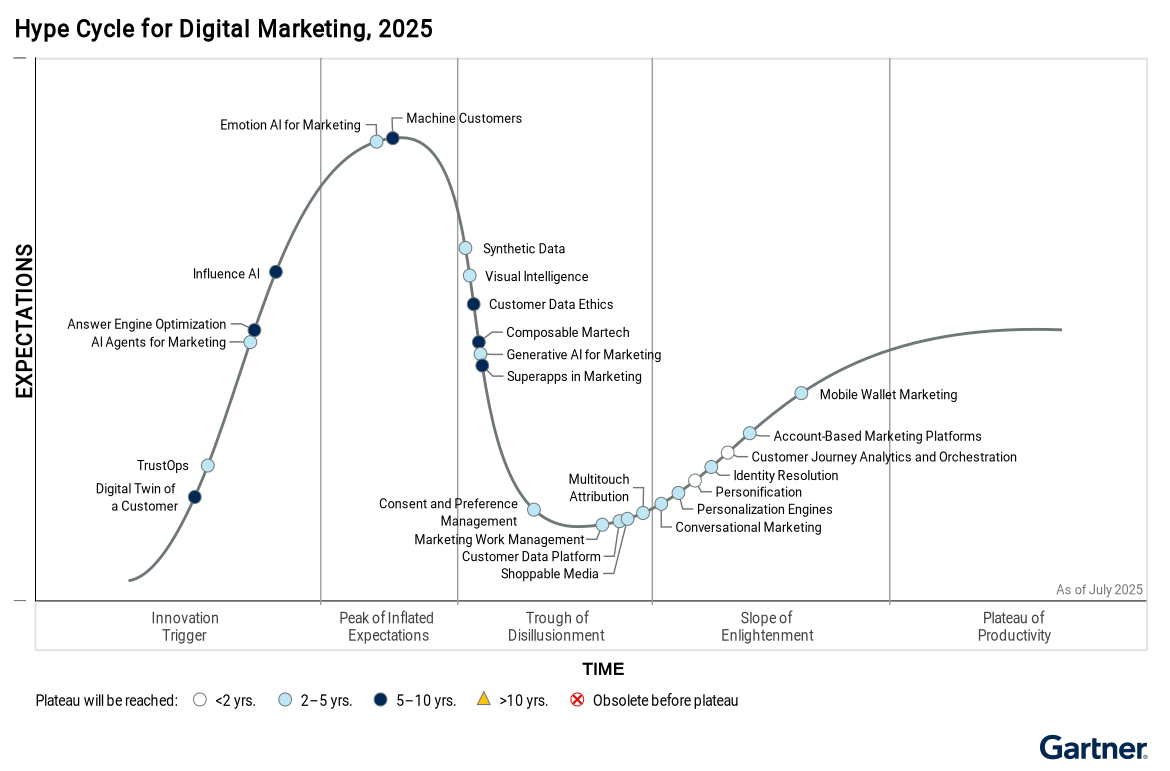
Incorporating AI Search Exposure and Human Insight
While AI deals with the heavy lifting of information processing and real-time bid modifications, human imagination stays the primary differentiator in a crowded market. The 2026 omnichannel landscape needs a fragile balance. AI can predict which page will perform best in Philadelphia, however it can not craft the emotional narrative that makes a consumer select one brand over another. This is where the synergy between technology and talent becomes most obvious.
The success of Expert Digital Marketing Services - NEWMEDIA.COM in PA frequently hinges on AEO. As users move far from standard search bars and toward conversational AI interfaces, the objective is no longer just to rank initially-- it is to be the conclusive answer offered by the AI. Making use of tools like RankOS enables brands to monitor their "share of model" and ensure their expertise is being acknowledged by the LLMs (Large Language Models) that now drive the majority of web traffic. This is not just a technical obstacle. It needs premium, authoritative material that resonates with both devices and people.
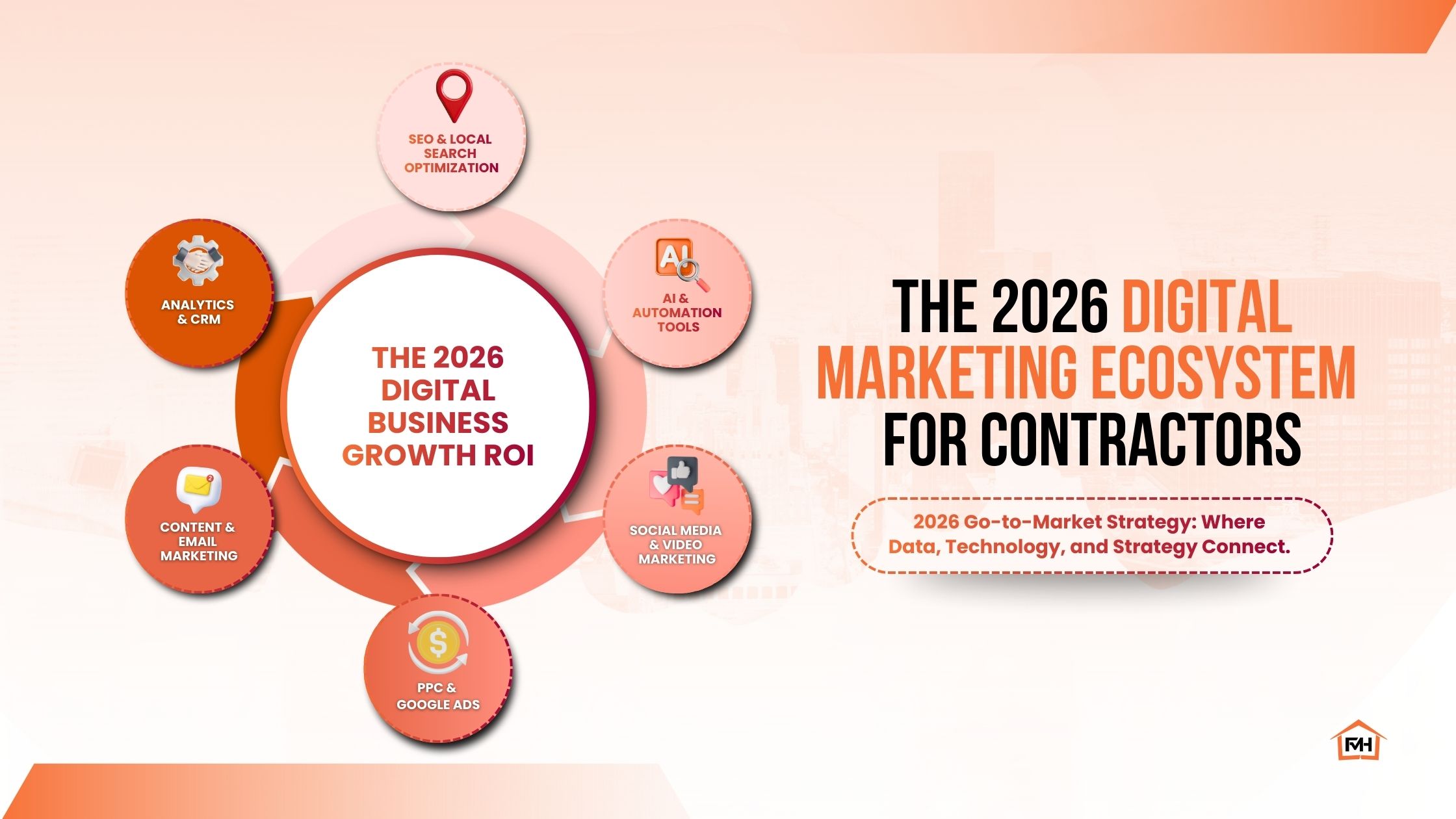
Recent research studies from international research study firms emphasize that the most successful campaigns of 2026 are those that treat AI as a partner instead of a replacement. By automating the ordinary aspects of link, innovative groups are totally free to concentrate on brand name storytelling and neighborhood engagement. This human-centric technique is particularly effective in the local region, where regional nuances and cultural context play an enormous function in consumer trust.
A Case Study in Omnichannel Quality
Think about the recent overhaul of a major ecommerce platform based in Philadelphia. They were struggling to bridge the space in between their social networks existence and their direct-to-consumer sales. By carrying out a post-cookie attribution model that focused on "Lift Screening" and geo-fenced experimentation, they were able to recognize precisely which channels were driving growth in PA. They didn't require to understand exactly who the user was to understand that a particular imaginative execution was resonating with the audience in Philadelphia.
The strategy included:.
- Server-side tracking to regain information lost to browser-level blocking.
- AI-driven content generation for link that resolved specific local needs.
- RankOS integration to guarantee the brand appeared as a leading recommendation in AI-powered shopping assistants.
- Predictive analytics to anticipate inventory needs based upon trending search queries in the domestic market.
By the 2nd quarter of 2026, the business reported a record-breaking conversion rate. The lack of cookies did not impede them. It forced them to build a much better, more direct relationship with their customers. This anecdotal evidence lines up with the wider industry shift toward transparency and value-exchange marketing.
The Future of Digital Technique in 2026 and Beyond
The shift to a post-cookie world has actually been a catalyst for development. Digital firms in hubs like New York City, Los Angeles, and Philadelphia are no longer simply service companies. They have actually ended up being information designers and imaginative consultants. The focus for the remainder of 2026 will be on refining these brand-new attribution designs and further incorporating AI search exposure into every aspect of the marketing funnel. The objective is a truly smooth experience where the customer feels understood, not followed.
The lessons learned over the previous year reveal that the finest data is the information given freely. When brands supply real worth-- whether through specialist guidance, remarkable website design, or extremely relevant deals-- the requirement for intrusive tracking vanishes. As Steve Morris has actually noted in numerous current industry panels, the future comes from those who can master the data while keeping the human element at the forefront of every campaign. Whether it is through SEO, PAY PER CLICK, or the most recent in AEO, the course forward is clear: be helpful, be visible, and be genuine.
As we look towards the end of 2026, the integration of advanced digital solutions stays the cornerstone of any effective business technique. The tools have altered, and the rules have actually been rewritten, but the core goal stays the same-- providing the best message to the right individual at the correct time. In the cookie-less world, that goal is finally being consulted with greater accuracy and greater integrity than ever before.

Table of Contents
Latest Posts
Synthesized Search and the Evolution of Top in Philadelphia
Synthesized Browse and the Evolution of Digital Marketing in New York
Scaling NEWMEDIA.COM - Agência Parceira da Semrush Across Emerging Meta-Platforms in Miami
More
Latest Posts
Synthesized Search and the Evolution of Top in Philadelphia
Synthesized Browse and the Evolution of Digital Marketing in New York
Scaling NEWMEDIA.COM - Agência Parceira da Semrush Across Emerging Meta-Platforms in Miami